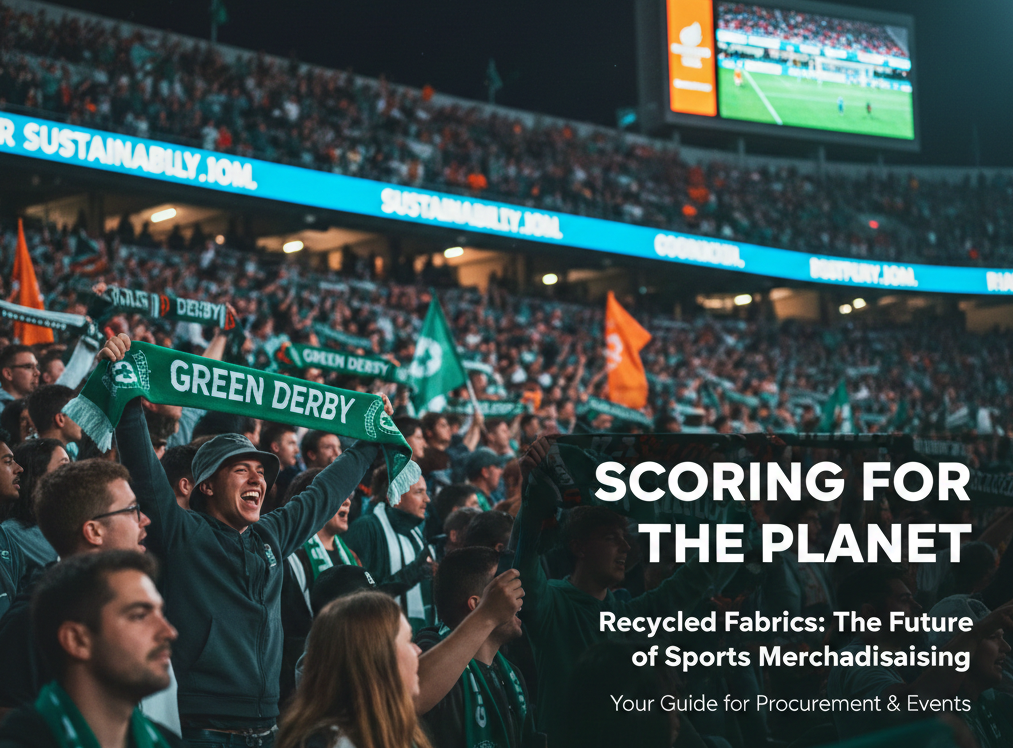
In the high-stakes world of sports marketing and event planning, the visual impact of your brand is everything. Whether it’s 50,000 fans waving custom team flags, supporters draped in knitted-feel sublimation scarves, or staff sporting branded bucket hats at a sun-drenched marathon, the quality of your promotional items speaks volumes about your brand’s prestige.
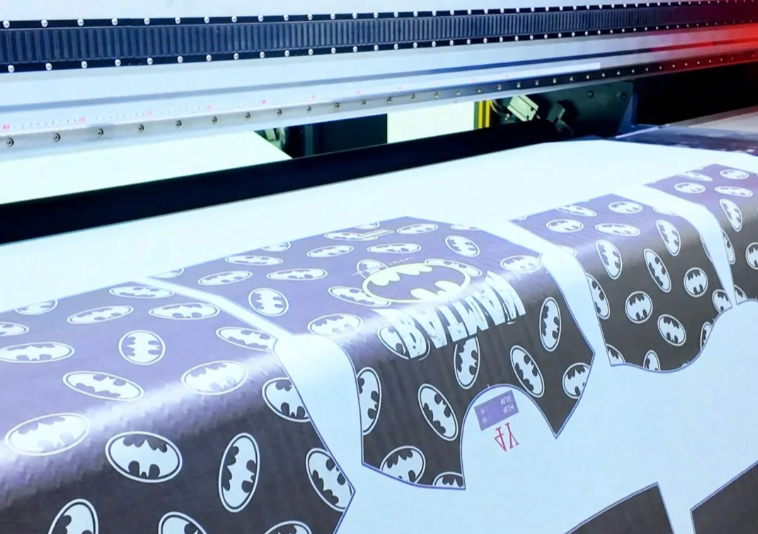
Digital sublimation printing has revolutionized the industry, offering vibrant, full-color designs that don’t crack or peel. However, for procurement professionals and event organizers, this technology is not a “set it and forget it” process.
Behind a perfect scarf lies a complex dance of chemistry, thermodynamics, and precision.
When things go wrong, they go wrong in ways that can ruin a product launch or a stadium activation. This guide explores the common pitfalls of sublimation printing and how you, as a buyer, can ensure your next batch of sports gear is nothing short of flawless.
1. The Chemistry of Perfection: Why Sublimation?
Before diving into the problems, it’s vital to understand the process. Unlike traditional screen printing, where ink sits on top of the fabric, sublimation involves turning solid dye into a gas (skipping the liquid phase) under intense heat and pressure. This gas permeates the fibers of the polyester fabric and solidifies, becoming part of the material itself.
The result? A “soft hand” feel (you can’t feel the ink), breathability, and permanent color. But because this process relies on a molecular bond, the margin for error is razor-thin.
2. Common Quality Pitfalls (And Why They Happen)
A. The “Ghosting” Effect (Double Vision)
The Symptom: You notice a faint, blurry shadow or a “double image” around the edges of your logo on a fan scarf or flag. The Cause: Ghosting occurs when the transfer paper shifts slightly against the fabric while the dye is still in its gaseous state.
This usually happens when the heat press is opened too quickly, creating a vacuum that lifts the paper, or if the “tack” (stickiness) of the paper is insufficient.The Risk for You: It makes the branding look “cheap” and unprofessional. In high-definition sports logos, it can make fine text unreadable.
B. Color Inconsistency (The Pantone Nightmare)
The Symptom: Your brand’s signature “Royal Blue” looks purple on the bucket hats but navy on the flags. The Cause: This is the most common headache in procurement. Color in sublimation is affected by three things:
- ICC Profiles: The digital “map” that tells the printer how to mix colors.
- Fabric Composition: A 100% polyester flag will take color differently than a 60/40 blend scarf.
- Heat Variations: A 5-degree difference in the heat press can shift a color from warm to cool.
C. Banding and “Nozzle Outs”
The Symptom: Fine horizontal lines running across a solid color field on a large flag. The Cause: This is a mechanical failure where the printer’s spray nozzles are partially clogged. If the operator isn’t monitoring the print run closely, miles of fabric can be ruined before the error is spotted.
D. Fabric Yellowing and “Crushing”
The Symptom: The white areas of your bucket hat look scorched or yellowish, or the fabric feels stiff and “plastic-like.” The Cause: Excessive heat or pressure. Polyester has a “glass transition temperature.” If the heat press stays down too long, the fibers actually begin to melt and lose their soft texture.
3. Case Study I: The “Blurry Scarf” Disaster at the Championship Finals
The Scenario: A Tier-1 European Football Club ordered 10,000 sublimation scarves for a stadium giveaway. The procurement team went with the lowest bidder to save $0.20 per unit.
The Problem: Upon delivery, 30% of the scarves exhibited severe ghosting. The club’s crest, which featured intricate gold filigree, looked like a smudged mess. Because the supplier used low-tack transfer paper and a high-speed rotary press without proper tension control, the paper moved during the gas-release phase.
The Fallout: The scarves were rejected by the club’s brand manager. With only four days until the match, the club had to pay 3x the original price for an emergency domestic print run.
The Lesson: For items with intricate logos (like scarves), always ask your supplier: “What weight of tacky paper do you use, and how do you manage paper-to-fabric adhesion?”
4. Case Study II: The “Off-Brand” Flags for a Global Tech Marathon
The Scenario: A global tech giant sponsored a city-wide marathon. They required 500 teardrop flags. Their brand color is a very specific “Cyber Orange” (Pantone 021 C).
The Problem: The flags arrived looking almost red. The manufacturer had used a “standard” ICC profile meant for generic apparel rather than calibrating for the specific 110g knitted polyester used for flags. In the bright outdoor sun, the red tint was even more pronounced.
The Fallout: The marketing director refused to fly the flags as they clashed with the race bibs and digital assets. It created a visual “disconnect” that ruined the photography for the event’s social media campaign.
The Lesson: Always request a Pre-Production Sample (PPS) on the exact fabric of the final product. A digital proof on a screen is meaningless; you need to see the “gas-to-fiber” result.
5. Procurement Checklist: How to Vet a Sublimation Supplier
When you are interviewing suppliers for your next event, don’t just ask about price. Ask these technical questions to filter out the amateurs:
- “Can you provide your ICC profiles for different fabric weights?”
- Why: A pro shop creates custom profiles for every fabric they stock to ensure color accuracy.
- “How do you handle moisture management in the fabric?”
- Why: If fabric is stored in a damp warehouse, the moisture turns to steam during pressing, causing “white spots” or “explosions” in the ink. Pro suppliers “pre-press” the fabric to dry it out.
- “What is your ‘Delta E’ tolerance for color matching?”
- Why: Delta E measures the difference between two colors. A professional supplier should aim for a Delta E of less than 2.0.
- “Do you use Korean or Italian inks?”
- Why: High-end inks (like those from Kiian or Sawgrass) have higher pigment loads, leading to deeper blacks and more vivid oranges/greens.
6. Product Spotlight: Getting the Most Out of Your Promo Gear
Custom Bucket Hats
Bucket hats are a high-value promotional item because they are “retail-quality” gear.
- The Challenge: Sublimating over seams.
- The Pro Tip: Ensure your designer understands the “bleed” area. If you want a seamless pattern, the fabric must be sublimated before it is cut and sewn (Full Sublimation), rather than pressing a logo onto a pre-made hat.
Sports Scarves (Summer/Digital Style)
Unlike heavy acrylic knit scarves, digital sublimation scarves allow for photographic detail.
- The Challenge: Getting the print to show through to the “back” side.
- The Pro Tip: Ask for “Double-Sided Printing” with a block-out liner if you want the design to look perfect from both sides of the stadium.
Flags and Banners
- The Challenge: UV Fading.
- The Pro Tip: Sublimation inks are generally UV-resistant, but for long-term outdoor use, ask for “UV-inhibitor” coatings to extend the life of the flags from 3 months to 12 months.
7. Conclusion: The Real Cost of “Cheap”
In the world of sports promotion, your merchandise is a physical embodiment of the fan’s passion. A poorly printed flag or a “ghosted” logo on a scarf doesn’t just look bad—it diminishes the perceived value of the event and the brand.
By understanding the common issues—ghosting, color shifts, and banding—you can move from being a “buyer” to a “strategic procurement specialist.” You now know that the cheapest quote often hides the highest risk.
Ready to elevate your event gear? At [Your Company Name], we specialize in the technical precision required for elite sports promotions. We don’t just print; we calibrate, we test, and we deliver brand-perfect results every time.
Would you like us to send you a “Quality Comparison Kit”? See the difference between standard printing and our high-density sublimation process. Contact our team today for a free consultation on your next project.