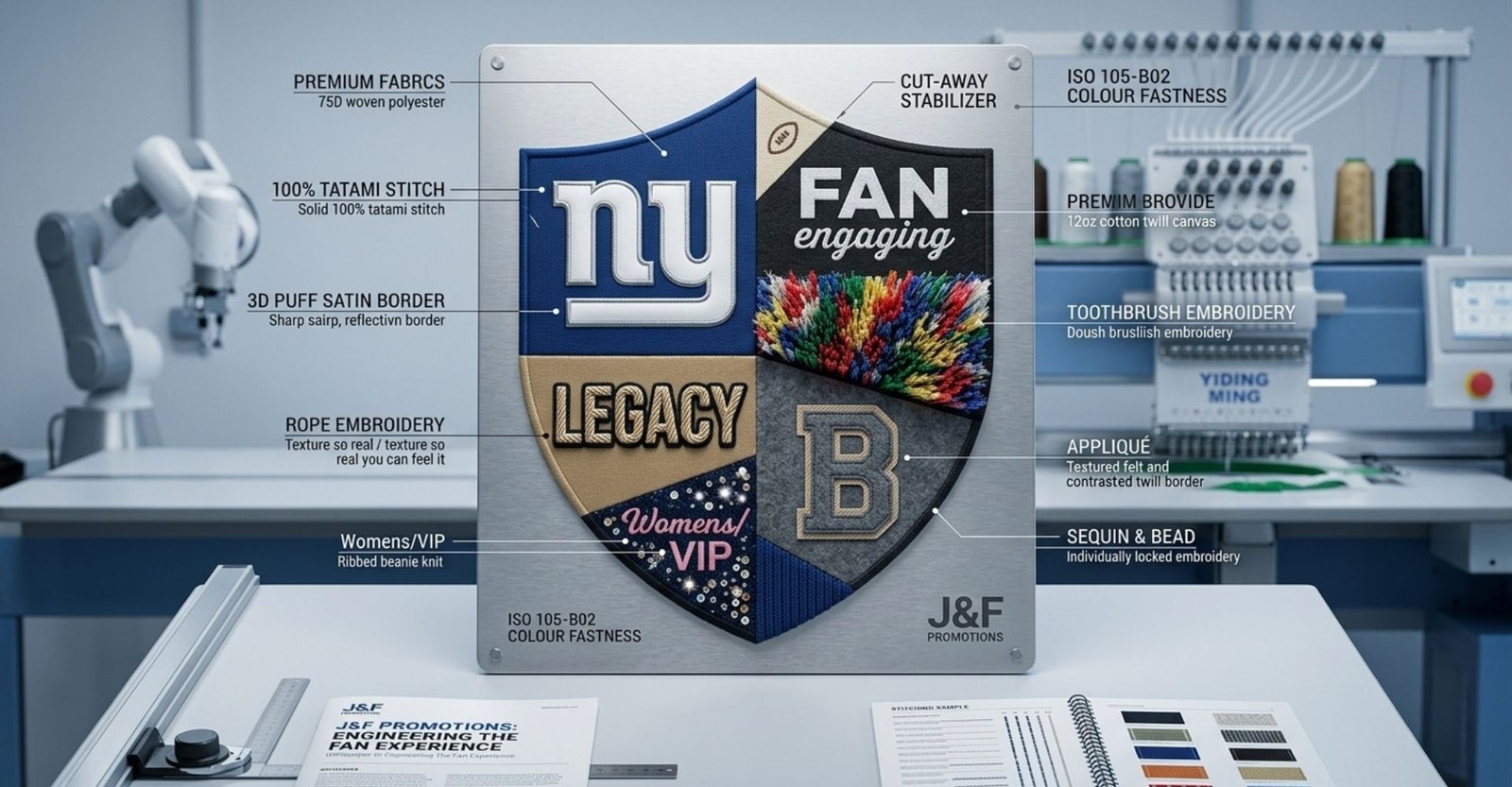
In the global sports supply chain, embroidery is the ultimate language of brand authority. Whether applied to a 75D polyester rally flag, a heavy-duty 12oz canvas bag, or a premium knit beanie, the quality of the stitch reflects the integrity of the team.
For a procurement professional, understanding the technical anatomy of embroidery is not about aesthetics—it is about managingdurability, brand fidelity, and production scalability.
This whitepaper deconstructs the industrial embroidery techniques used by J&F Promotions to serve the NFL, MLB, and international sports markets, moving from foundational stitches to complex hybrid embellishments.
1. Foundational Architecture: The Three Pillars of Stitching
All high-volume industrial embroidery is built upon three core mechanical movements. Understanding these is essential for setting QC (Quality Control) benchmarks.
A. The Tatami Stitch (Fill Stitch)
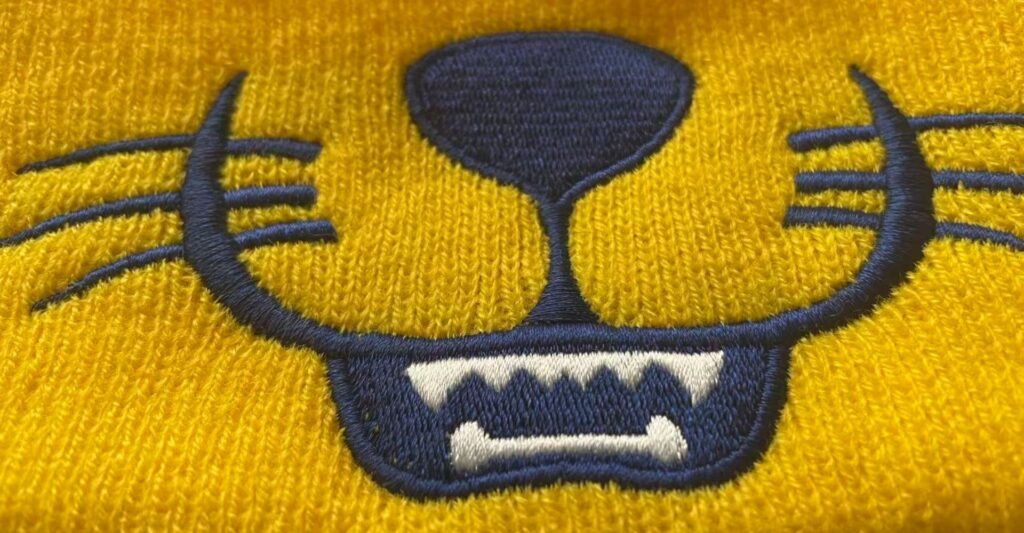
The Engineering: Tatami involves dense rows of run stitches that form a solid woven surface. It is the only reliable way to cover large surface areas without compromising the fabric’s structure.
- Technical Parameter: Stitch Direction. A professional digitizer will adjust the angle of the Tatami stitch to counteract the “push and pull” effect of the embroidery machine, ensuring the logo remains perfectly centered and doesn’t distort the base material.
- Procurement Value: Best for large crests and background fills. It provides a stable “canvas” for smaller detail stitches to be layered on top.
B. The Satin Stitch (Column Stitch)
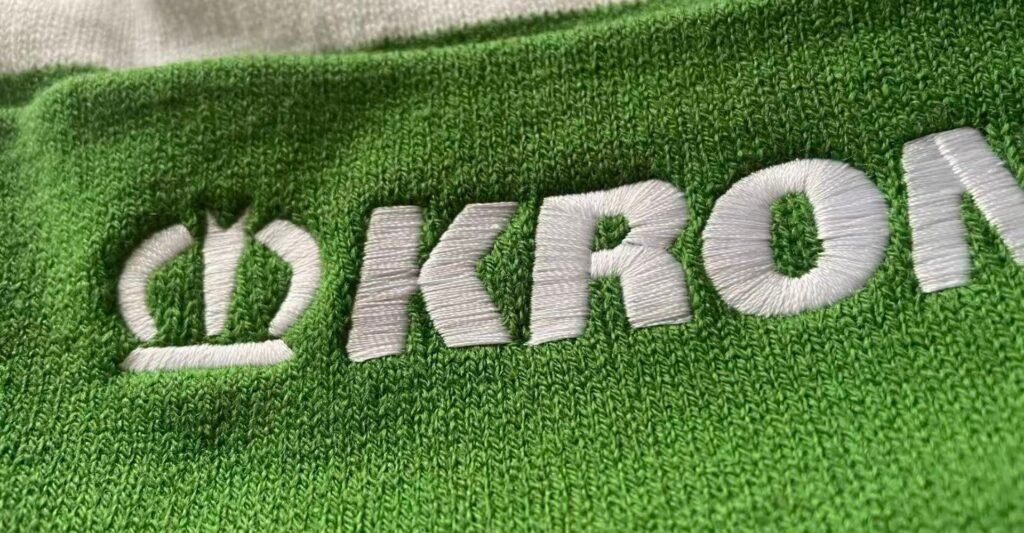
The Engineering: This is a back-and-forth stitch that wraps around a specific area, creating a silky, high-luster finish.
- The “12mm Rule”: In industrial standards, a Satin stitch should rarely exceed 12mm in length. Beyond this, the thread tension becomes unstable, making it prone to snagging.
- Procurement Value: This is the gold standard for text and borders. It captures light better than any other stitch, giving the brand a “premium” sheen.
C. The 3D Puff (Dimensional Embroidery)
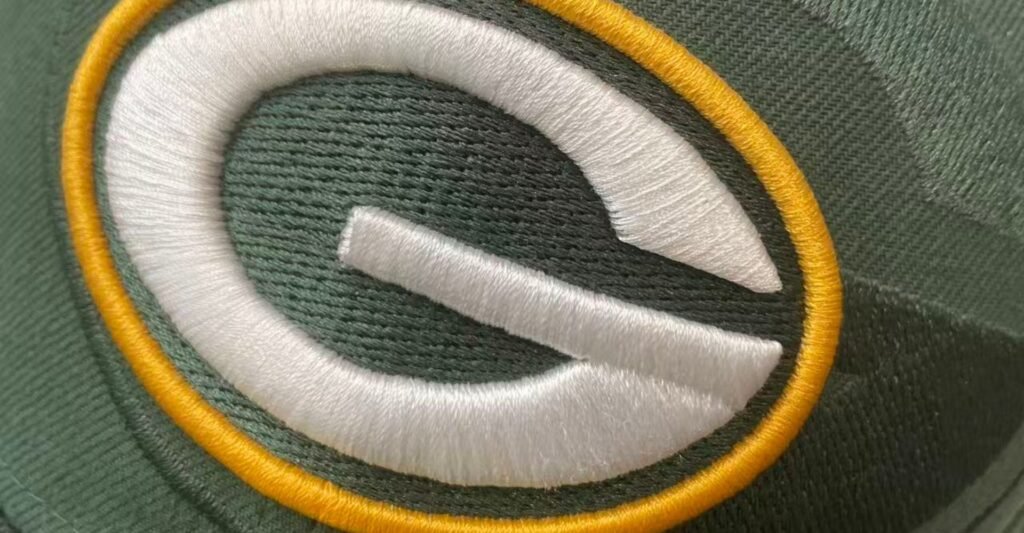
The Engineering: By placing high-density EVA foam beneath the Satin stitch, we create a vertical projection.
- The “Density Multiplier”: 3D Puff requires approximately 200% the stitch density of flat embroidery to ensure the foam is fully encapsulated and the edges are “sharp.”
- Procurement Value: It creates immediate retail appeal. It is the primary way to differentiate “Fan Grade” from “Authentic Grade” merchandise.
2. Advanced Embellishments: High-Tactile Specialization
When the objective is “Brand Disruption,” standard stitches are supplemented with specialty machinery and materials.
D. Rope & Cord Embroidery
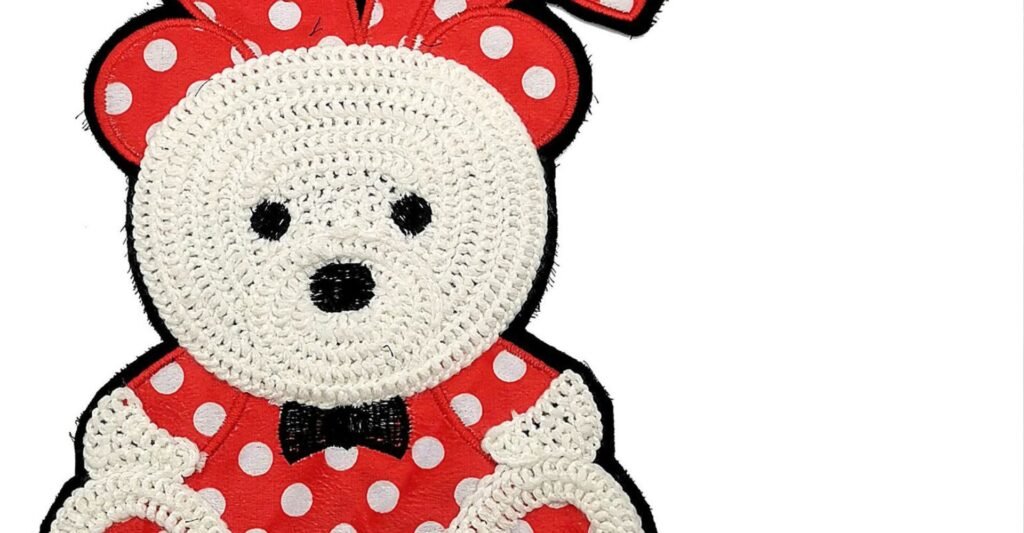
This process utilizes a secondary feeding head to anchor a thick, twisted cord onto the garment.
- Technical Edge: Unlike standard thread, rope embroidery creates a rugged, 3D relief that is almost indestructible. It is ideal for gear that will face heavy friction or outdoor elements.
E. Toothbrush Embroidery (牙刷绣)
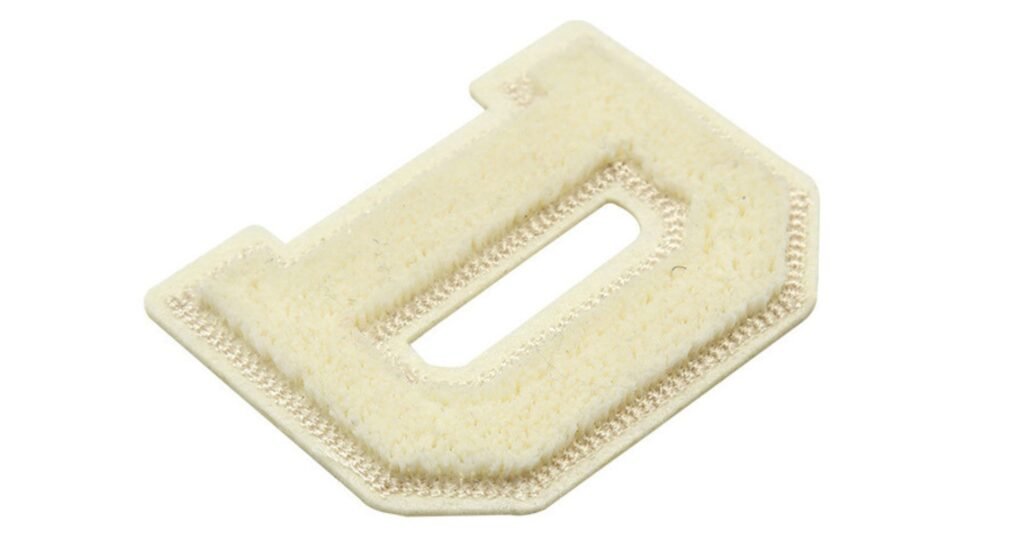
A specialized process where thread loops are stood vertically and then sheared to a uniform height, creating a “bristle” texture.
- Technical Edge: It provides a unique “interact-and-touch” experience for the fan. It requires precise tension control to ensure the “bristles” don’t shed over time.
F. Sequin & Bead Integration (亮片与珠绣)
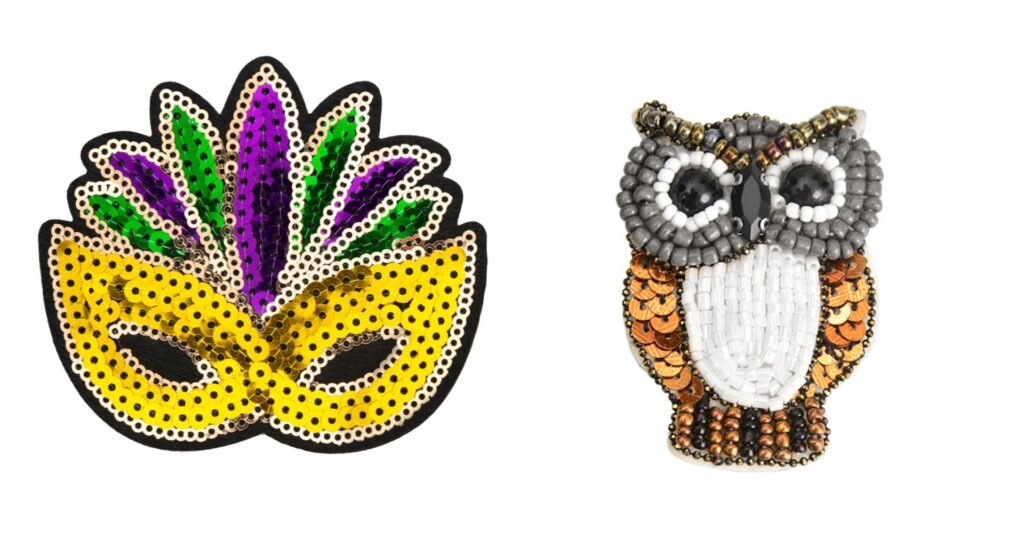
Automated placement of refractive elements.
- Technical Edge: Modern industrial heads now “lock-stitch” each sequin individually. This ensures that if one thread is snagged, the entire row of sequins remains intact—a critical factor for stadium-grade durability.
G. Appliqué (贴布绣)
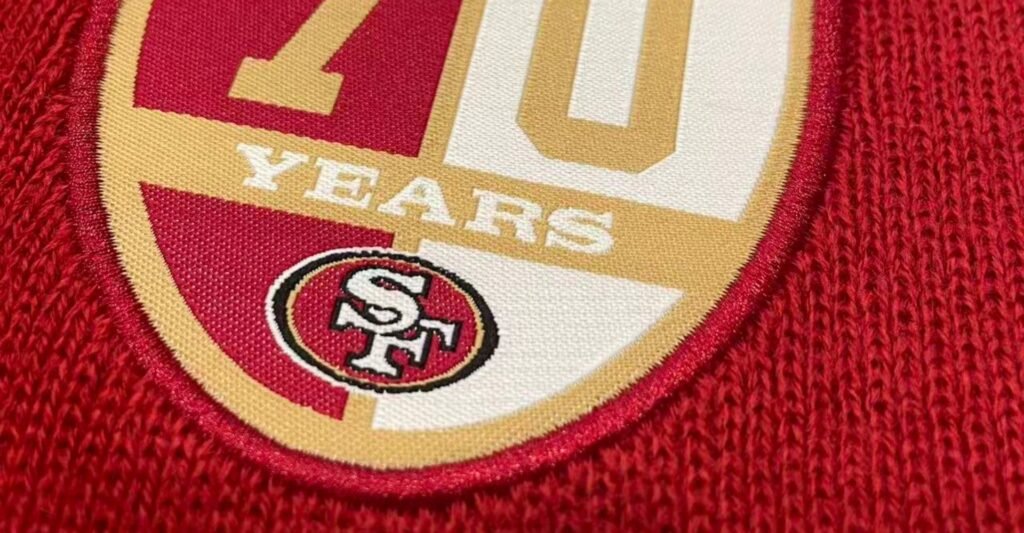
The process of laser-cutting a secondary fabric and securing it with a Satin or Zig-zag border.
- Technical Edge: This is an engineering shortcut to scale. It allows for massive branding without the weight or cost of 100,000+ stitches, while introducing contrasting textures (like felt or twill).
3. Industrial QC: The Procurement Checkpoints
To ensure “Certainty of Delivery,” every RFQ should be evaluated against these three technical hurdles:
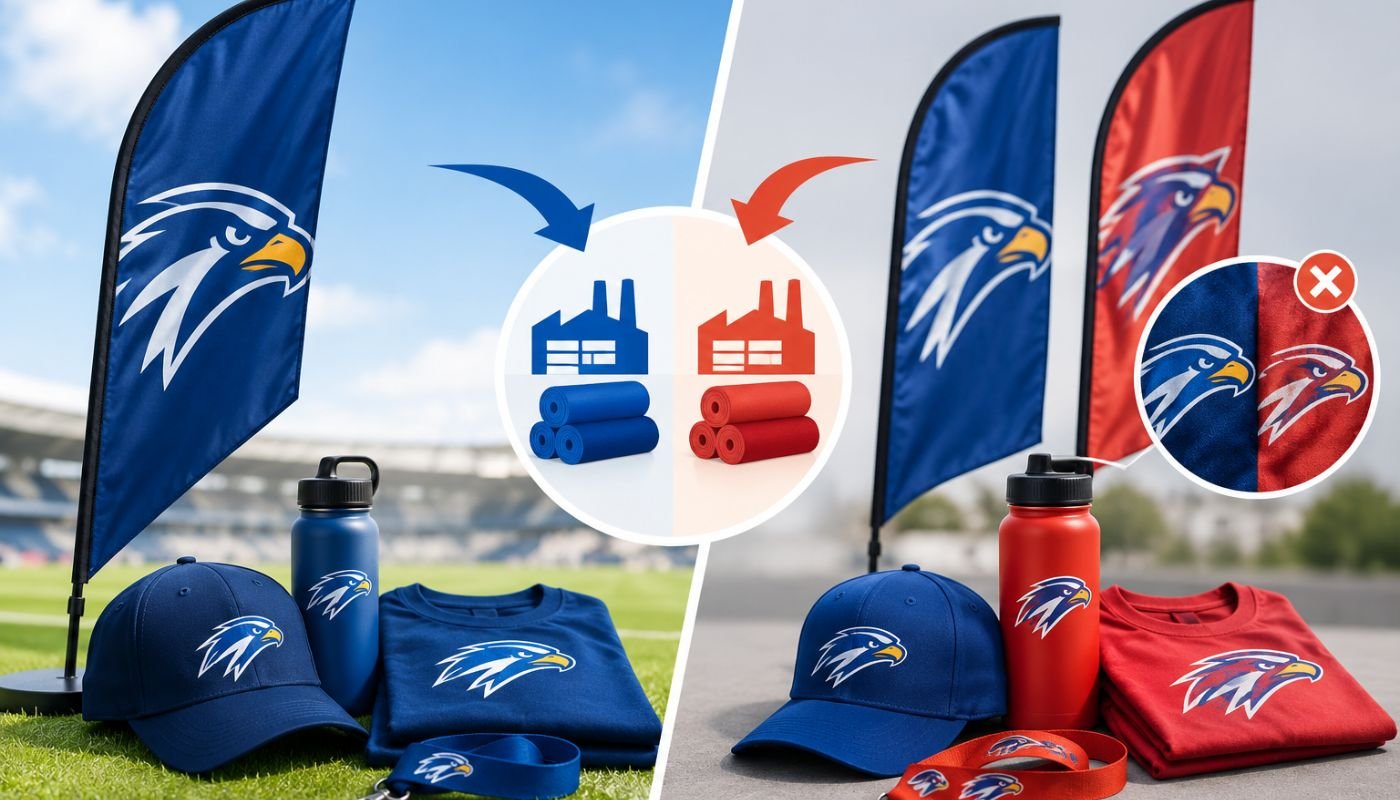
- Color Fastness (ISO 105-B02): In professional sports, “Team Red” must stay “Team Red” under stadium UV lights. We use high-tenacity trilobal polyester threads that are resistant to chlorine and UV degradation.
- Backing Stability: The “hidden” quality of embroidery. We utilize Cut-Away Stabilizers for all professional orders. Unlike “Tear-Away” (which is cheaper and faster), Cut-Away ensures the logo maintains its shape through 50+ industrial wash cycles.
- Registration Precision: The alignment between colors. A margin of error of >0.5mm is unacceptable for professional leagues. Our machines utilize real-time tension sensors to maintain micron-level accuracy.
4. The Embroidery Decision Matrix (Procurement Summary)
| Stitch Type | Visual Impact | Tactile Feel | Cost Efficiency | Best Application |
| Tatami | Solid, Matte | Smooth, Flat | High (for large areas) | Large shields, background fills |
| Satin | High-Shine, Sharp | Silky, Raised | Medium | Typography, Logo borders, Outlines |
| 3D Puff | Bold, Structural | Hard, Projected | Low (high stitch count) | Primary team initials, Championship years |
| Rope | Rugged, 3D | Coarse, Corded | Low (specialty head) | Heritage collections, Outdoor gear |
| Toothbrush | Unique, Standing | Soft, Bristled | Medium-Low | Youth apparel, Interaction-heavy items |
| Appliqué | Multi-Texture | Layered, Fabric | High (for giant logos) | Oversized branding, Varsity styles |
| Sequin/Bead | Sparkling, Reflective | Grainy, Hard | Low | Fashion-forward fanwear, VIP gifts |
Conclusion: Engineering the Fan Experience
For a Procurement Manager, embroidery is the bridge between a design file and a fan’s loyalty. By selecting the right combination of Tatami for stability, Satin for luster, and Specialty stitches for tactile engagement, you optimize not just the cost, but the life-cycle value of the product.
At J&F Promotions, we don’t just “sew.” We apply textile engineering to ensure that every stitch—whether on a flag, a hat, or a bag—meets the rigorous standards of the world’s premier sports leagues.