Eight thousand season-ticket members. Three tiers. One renewal date. The proposal lists a hero item, three support items and a box. The part that decides whether the program works is not on the page: 8,000 addresses, three SKU variants, 32,000 units to count, a customs classification, a parcel bill, and a replacement buffer.
A gift box is not a product. It is a small fulfillment operation with a brand moment attached.
The short version
- Budget the landed cost per good box, not the FOB price. Freight, kitting and replacements are part of the gift.
- Use one hero, two support items and one message. Four strong items beat eight weak ones.
- Tier the contents before you tier the logo. A second logo is not an upgrade.
- The hard 2027 gate is January 26. If production is not finished before the Lunar New Year shutdown, it waits until February 22.
1. The Box Is the Easy Part
Gift-box proposals often start as product lists because products are easy to approve. The hard parts sit behind the list: versions, packers, addresses, carton weight, and what happens when 2% arrive crushed or personalized with the wrong name.
A useful budget has five buckets.
| Cost bucket | What it includes | What moves it | Planning share* |
|---|---|---|---|
| Product (FOB) | Hero and support items, decoration, personalization | Item count, material, print method, MOQ | 50–65% |
| Packaging and inserts | Box, sleeve, tissue, insert, card, tape | Rigid vs corrugated, custom dieline, print | 8–15% |
| Kitting | Counting, folding, bagging, assembly, check-weigh | Number of SKUs, tiers, personalization | 5–10% |
| Freight and duties | Inbound, outbound, air or sea, duty, fees | Volume, weight, destination, Incoterm | 15–30% |
| Replacement reserve | Spares, damage, address errors | Defect history, address quality, handling | 1–3% |
*For a domestic parcel program of roughly 2–4 lb per box. Bulky, international and hand-delivered programs shift the mix. The ranges are triage bands, not an additive budget; use your quotes.
Finance will ask for unit price. The number that decides the budget is landed cost per good box delivered. The gap between them is where programs get into trouble.
2. Curate With One Hero, Two Support Items and One Message
A box needs a hierarchy. Without one, every item competes and the recipient remembers none of them.
| Role | Job | Examples | Share of product budget |
|---|---|---|---|
| Hero | Carries the tier signal and the photo | Scarf, beanie, cooler, blanket, jersey | 50–60% |
| Support 1 | Earns daily use | Koozie, tumbler, drawstring bag, wristband | 20–25% |
| Support 2 | Earns a second look or a share | Sticker sheet, mini pennant, pin, patch | 10–15% |
| Message | Turns the gift into a relationship | Personalized card and QR to renewal or hospitality | 5–10% |
The hero is the item people photograph. The support items are the ones they use. The message is the reason the box exists. If you cannot name the hero in one sentence, the box is assembled, not curated.
The best season-ticket holder gift box ideas fit the member’s game-day routine: something to wear, something to carry, something to use, something to keep. Five small logo items feel disposable; a scarf, a koozie, a sticker and a card can feel like a season.
The message layer is also the share layer. A QR to the renewal page, member account, sponsor campaign or thank-you video can turn a box into a photo and a post.
3. Tier the Box, Not Just the Logo
Gift boxes usually have three audiences. The core member wants recognition. The long-tenure or club-seat member wants a visible upgrade. The sponsor or suite guest wants a host gesture that reflects the relationship.
| Tier | Who receives it | Product budget band* | Architecture | Packaging | Personalization |
|---|---|---|---|---|---|
| Core | Every season-ticket member | $18–35 | Scarf or beanie + koozie + sticker + card | Printed corrugated mailer | Name optional |
| Tenure | 5+ years, club seats, premium | $50–100 | Cooler or tote, or blanket + tumbler + scarf + card | Rigid box or premium mailer | Name and tenure |
| Sponsor / VIP | Suites, partners, media, hospitality | $120–250+ | Premium cooler or blanket + drinkware + notebook + host card | Rigid box in a corrugated shipper | Name, company, host name |
*Product only. Packaging, kitting, freight and duties sit on top. These bands are planning ranges for triage, not quotes.
The core box is not the cheap box. It has to work for the most people and survive the widest range of addresses. It should be the most reliable, not the most complicated.
The tenure box should not be the core box plus a second logo. Add a different hero, a different packaging experience, or a personalization the core member cannot get. Otherwise the upgrade is invisible.
Sponsor boxes add a second brand. Decide the hierarchy before design: team primary, sponsor endorsement, or co-branded lockup. Get written approval on the actual dieline. A box with the wrong sponsor logo is a relationship problem.
Keep sponsor and member boxes as separate SKUs. A last-minute sponsor sleeve changes the packing line, the carton count and the cost.
4. Packaging: Design the Gift and the Shipper Together
Packaging is the first physical interaction with the brand. It is also a major source of damage and dimensional-weight surprises.
| Format | Cost tier | Protection | Unboxing | Best for | Watch-out |
|---|---|---|---|---|---|
| Poly mailer and printed tissue | Low | Low | Basic | Core textile boxes, low breakage | Crushes rigid items; no structure |
| Corrugated mailer with printed sleeve | Mid | Good | Good | Core and tenure boxes that ship as themselves | Sleeve adds a SKU; test the fold |
| Rigid two-piece box inside a corrugated shipper | High | High | Premium | VIP, sponsor, hand-delivered | Pays dimensional weight twice |
| Magnetic-closure rigid box | Highest | High | Highest | Sponsor/VIP, small quantity | Heavy, expensive, often double-shipped |
| Drawstring bag as packaging | Mid | Low–mid | Good | Textile-heavy boxes, youth | Not a substitute for a shipper |
Two decisions matter more than the board stock. Does the gift box ship as itself, or inside a shipper? If it ships as itself, the outside is the unboxing; if it travels inside a shipper, you pay to ship air. And does the insert hold the hero item? A beautiful box with a loose scarf arrives looking like a return.
Design the box and shipper together. One extra inch of depth can move the parcel into the next billable weight band; too tight a box can crush the hero. The right size is the smallest box that protects the contents and still looks intentional.
Ask for packaging MOQ separately from product MOQ. Custom rigid boxes often carry a higher minimum, and a mixed-SKU program can trigger several minimums. Confirm the dieline before the PO.
Sequence the layers: card on top, hero in the middle, support underneath. The first three seconds say who sent it and why; the next three reveal the hero.
5. The Landed-Cost Model That Survives Finance
Use this formula before you approve the artwork:
Landed cost per good box = (product FOB + packaging + kitting + inbound freight + duty and fees + outbound delivery + replacement reserve) ÷ good boxes delivered
FOB (free on board) is the price before freight, duty and delivery. Good boxes delivered is the denominator because damaged boxes and wrong addresses still cost money.
| Line | Illustrative cost per box | Replace with |
|---|---|---|
| Products (4 items) | $21.40 | Quoted FOB, including decoration |
| Packaging, insert, card | $4.10 | Quoted packaging |
| Kitting | $1.35 | Factory or 3PL quote |
| Inbound and consolidation | $0.55 | Freight quote |
| Duty and fees | $1.20 | HTS-based estimate |
| Outbound parcel (US, 3 lb) | $10.80 | Carrier or 3PL rate |
| Replacement reserve (2%) | $0.51 | Your defect and address history |
| Landed cost per good box | $39.91 |
These numbers are illustrative, not a quote. If your budget is $35, do not shave $5 from the hero. Change the delivery model: ship to one venue, reduce the box size, switch to a printed mailer, or drop the second support item.
At 8,000 boxes, every $1 of landed cost is $8,000. A one-inch reduction in depth or a switch to a printed mailer can be worth more than a hard negotiation on the hero. Model it before you approve the artwork.
The replacement reserve is not a cushion for poor quality. It protects the experience when an address is wrong, a box is crushed, or a name is misspelled. Personalized goods are usually not returnable, so a spare box is cheaper than a returns process.
6. Kitting: Where the Box Actually Fails
Kitting is the step between a purchase order and a gift. It is also where programs often lose time.
| Model | Best for | Strengths | Hidden risks | Lead-time impact |
|---|---|---|---|---|
| Factory kitting | Uniform boxes, single destination or bulk | Low labor cost, controlled packing | Changes are hard after production; spare parts are far away | +3–7 days |
| Destination 3PL | Multi-address, wave shipping, returns | Close to the recipient, tracking, easy replacements | Inbound freight, data setup, per-unit fees | +1–2 weeks |
| In-house or venue | Local hand-out, last-minute personalization | Control, low freight | Space, labor, inconsistent packing | Depends on staff |
| Hybrid | Personalized card or insert at scale | Factory kits the core; a local partner adds variable data | Two handoffs; one owner must be clear | +1–2 weeks |
Kitting is a data problem before it is a labor problem. The line needs one row per box, one tier code and one personalization string. If the address file arrives as a PDF, someone may retype it, and someone may make a mistake.
Use three seal colors for three tiers. Check-weigh every finished box; a missing scarf is easier to catch on a scale than in a complaint. Photograph the first box of each tier and check one box per tier after transit.
Keep 2–3% spares at the kitting site, not the factory. A replacement should take days, not a new production run. Define a defect before the first box ships: crushed, missing, wrong personalization, print defect, late.
7. Shipping to 8,000 Addresses Without a Warehouse
The delivery model changes the box. A box handed out at a stadium loading dock is a different product from a box that has to survive a parcel network and arrive at a member’s front door.
| Destination | What changes | Recommended setup |
|---|---|---|
| Single venue or bulk | Loading dock, delivery appointment, pallet count | Factory-to-venue, cartons labeled by tier and gate or room |
| Member homes | Address quality, individual labels, tracking | 3PL or parcel hub; ship-ready box; validation and dedupe |
| Sponsor offices | Reception, signature, consolidated delivery | Ship by company; DDP where available; one named recipient |
| International | Duties, HS codes, restricted items | DDP quote; declare components accurately; check food, liquid and battery rules |
Address hygiene is not a back-office detail. Use one row per box, not per member, if a household has multiple seats. Include name, company, address, ZIP, country, phone, email, tier, personalization and a unique order ID. Validate ZIPs and countries; flag PO boxes, APO/FPO and multiple-seat households.
Treat the address file like member data, not a spreadsheet to email around. Use a secure transfer, limit access, and delete the file after the program.
Do not rely on the packing list inside the box to identify the tier. Put the tier code on the outside label. If a carton is opened at the venue, staff should know what is inside without breaking the seal.
For international sponsor boxes, DDP (Delivered Duty Paid) is usually the better experience: no surprise customs bill. Declare each component accurately; a textile, a metal bottle and a plastic item may not fit one HS code.
Food looks like an easy way to fill space. It also adds shelf life, heat exposure, allergen labeling and customs restrictions. If the box crosses a border, check the destination’s rules before you approve the sample.
8. The 2027 Calendar: Two Tracks, One Hard Gate
Thanksgiving 2026 is November 26. Christmas is December 25. Super Bowl LXI is February 14, 2027. And our Lunar New Year shutdown runs January 27 to February 20, 2027, with production restarting the week of February 22. Those dates create two different programs.
| Track | Delivery target | Decision and PO | Production | Freight | Reality check |
|---|---|---|---|---|---|
| Holiday 2026 | December 18–24 | Complex 5-week: by October 23; simple 4-week: by November 6; simple 2-week: by November 20 | November 2–December 4 | Air or express, December 7–21 | 8-week complex boxes are already past the window; simple textile boxes are the realistic air-freight option |
| 2027 renewal | Late February–March | Complex: by December 1 (8 weeks) or December 15 (5 weeks); simple: by December 29 (4 weeks) or January 12 (2 weeks) | Must finish by January 26 | Sea late January–early March | The January 26 gate is absolute; missed production waits until February 22 |
| Post-shutdown | Late March–April | Simple items only at restart | From February 22 | Air or express | Complex boxes cannot be made and shipped in time for a March event |
These are planning windows based on our published lead times: 2–5 days for samples, 2–4 weeks simple production, 5–8 weeks complex, 3–7 days QC, 4–6 weeks by sea, 5–10 days by air, 3–5 days by express. Confirm the cut-off with your supplier before you commit a delivery date.
The hard gate is January 26. If the last carton is not finished, it waits until February 22. A premium box ordered in January cannot be made before the shutdown or after it in time for a February event.
Sea freight is not the slow option; it is the cheap option that requires an earlier decision. Air freight rescues small, light boxes, not complex ones. Our supply-chain calendar for Super Bowl LXI and Chinese New Year breaks down the item-by-item risk.
9. The One-Page Approval Case
Gift boxes stall because the approval request is a product list. Finance sees a line item for scarves, a line item for koozies and a box. It does not see the renewal date, tier strategy or cost per good box.
| Block | What to write | Example |
|---|---|---|
| Objective | The business outcome | Thank 8,000 members before renewal; increase survey response |
| Recipients and architecture | Tiers, counts, hero and message | 7,200 core / 700 tenure / 100 VIP; scarf + koozie + sticker + card |
| Landed cost | Per good box and total | $32.40 × 8,000 = $259,200 |
| Timeline and risks | PO to delivery; top three risks | PO November 2; delivery February 20; address data, shutdown, breakage |
| Decision | What you need approved | Budget and tier counts by October 30 |
Use the one-page merch plan as the template. The number your boss needs is not unit price; it is landed cost per good box and total commitment.
10. The 12-Line Gift Box Brief
Copy this into your RFQ. It gives a supplier enough information to quote the same program you are imagining.
- Recipient tiers and counts, including spares.
- Delivery date and destination mix: venue, homes, offices, international.
- Target landed cost per good box, not just FOB.
- Hero item and the tier signal it carries.
- Support items, materials and any restricted contents.
- Packaging format and whether the gift box ships as itself.
- Personalization fields, data format and cut-off date.
- Address file owner, format and validation process.
- Kitting location, tier labeling and spare ratio.
- Compliance documents required: restricted substances, food contact, children’s items.
- Sample and artwork sign-off dates.
- Replacement and claim process, including who pays for reshipment.
Most of these lines are not about the product. That is the point.
11. What We’ve Built
Our gift-box work starts with the club, not a fixed catalog. The FC Dynamo Moscow Season Ticket Member Gift Box is a public example: hats, flags, mugs, socks, plush toys, tote bags and wristbands can be mixed around the club’s identity, with no fixed assortment. The Kayserispor Loyalty Gift Box applies the same idea to retention, and the Team Fans Scarf Gift Box shows the scarf-led architecture that works for cold-weather clubs.
That flexibility raises the bar on the brief. Every added SKU adds a minimum, a line item, a counting step and a failure point. Use it to build a hierarchy, not to fill the box.
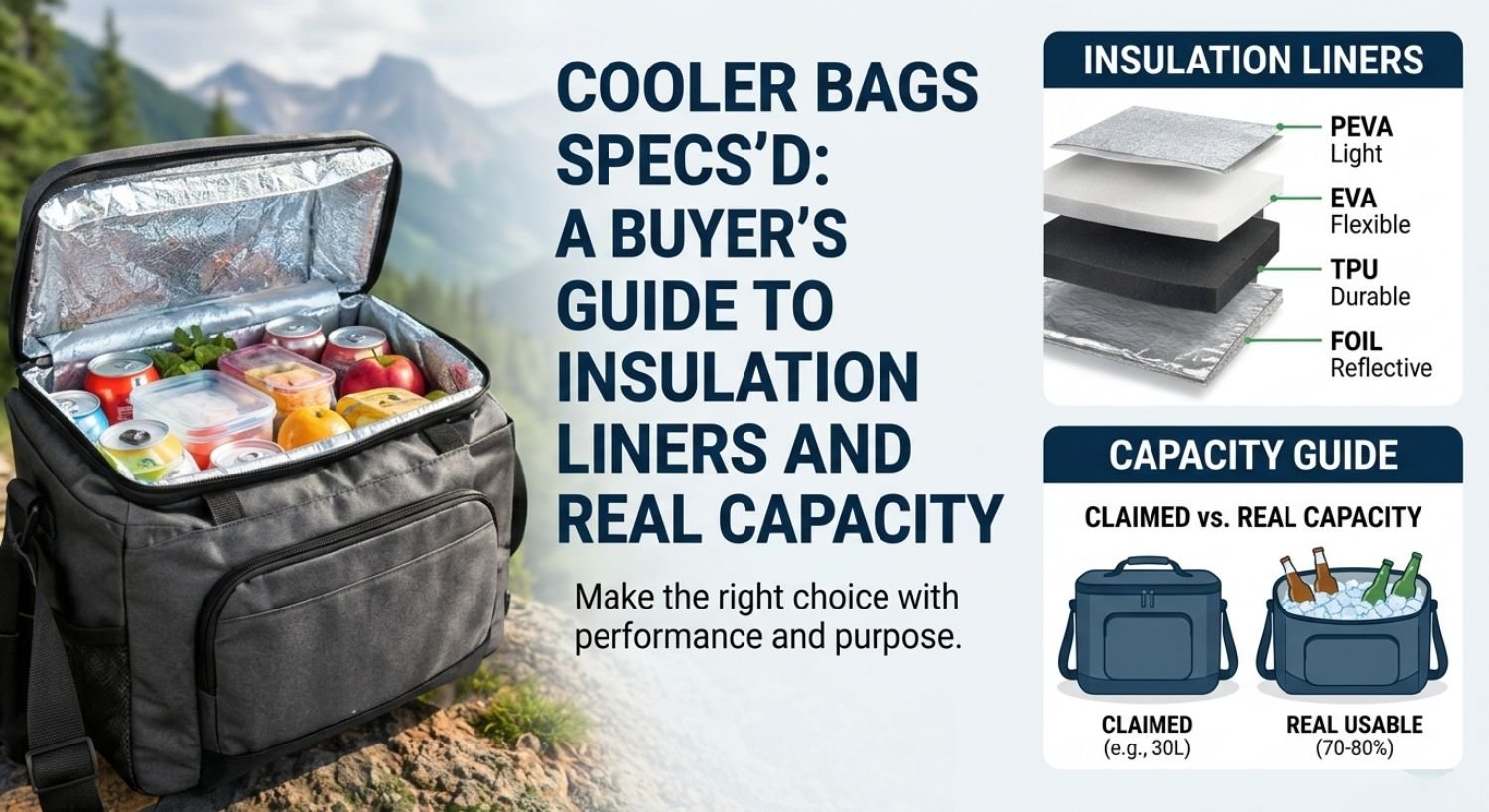
Explore the full Fans Gift Box range, or specify the hero from our headwear and bags and totes lines. For cooler construction, read Cooler Bags, Spec’d; for drinkware decoration, Custom Drinkware Made Simple; for repeat runs, The Reorder Problem.
At J&F, we produce custom sports promotional products for teams, sponsors, agencies and event organizers — rally flags, towels, bags, caps, knitwear, blankets, drinkware and complete fan gift boxes. We have served NFL, MLB, NBA and MLS teams since 2004, with audited factories, 25+ digital printing machines and factory-direct air and sea freight.
To quote a gift-box program, send the 12 lines above, your delivery date and target landed cost. We will tell you which tier architecture fits, which packaging survives, and which date is the real cut-off.
The Bottom Line
A gift box is judged twice: when it is opened, and when the renewal email arrives. The first impression is the hero and the unboxing. The second is whether it felt personal enough to keep.
Build the box around one hero, two support items and one message. Tier the contents before you tier the logo. Budget the landed cost per good box, not the FOB price. And put the January 26 production gate on the same page as the delivery date.
If you do those four things, the box stops being a collection of promo items and starts being a retention tool.